Types of Highlights: How to Choose Yours

Author
Valeria
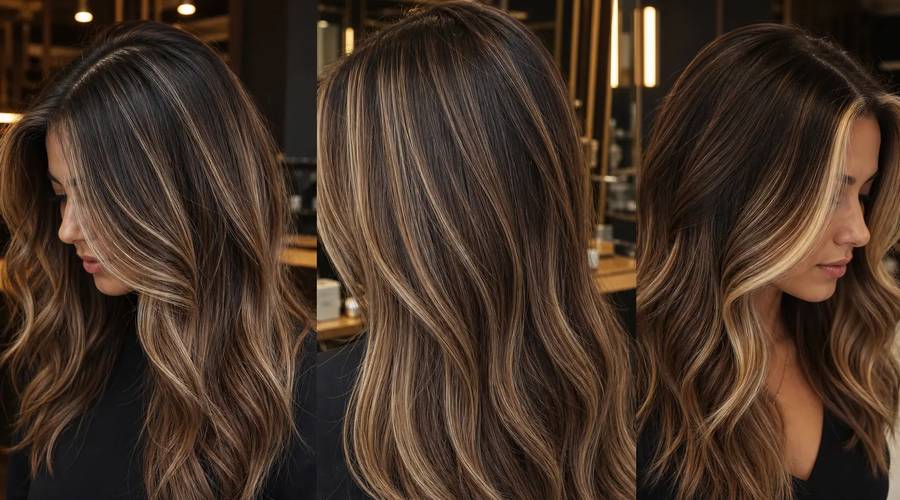
Types of highlights have long moved beyond the single '90s technique. Today the word "highlights" covers a whole family of ways to lighten strands — from the recognisable classic to the softest babylights and the face-framing money piece. Let's break down the main types of highlights so you know what to ask your stylist for and what result sits behind each name.
The main types of highlights
All the techniques share one principle: individual strands are lightened, not the whole mass of hair. They differ in strand thickness, the zone worked, distance from the roots and the final pattern. If you'd like a specialist to pick the technique for your base, at Trueman it's done as part of the highlights and balayage service.
Classic highlights
Classic highlights are an even lightening of thin strands all over the head, usually from the roots. They give noticeable contrast and volume and hide early greys well. The downside — as the hair grows a border appears at the roots, so correction is needed regularly. It's the most recognisable and predictable technique.
Partial highlights
Partial highlights touch only certain zones — for example the top of the head, the face or the fringe. It's a gentle option: less lightening, less stress on the hair, more affordable and faster. A great fit for anyone who wants to freshen up their look without going for a full colour job.
Babylights
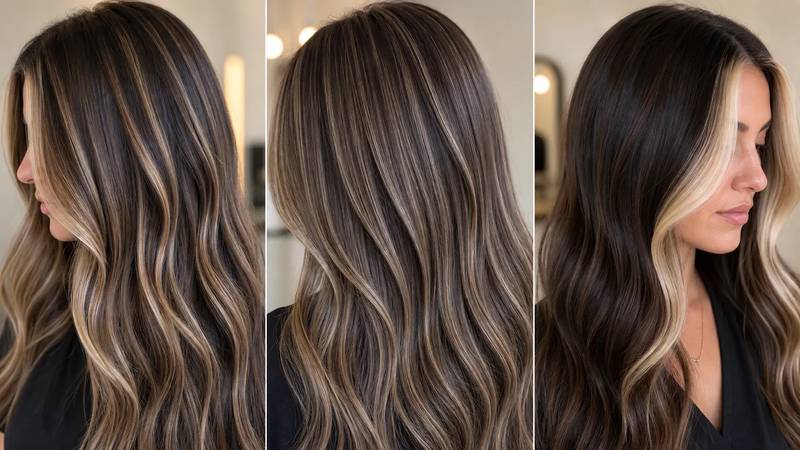
Babylights are a technique that mimics the naturally sun-lightened hair of children. Very thin strands are lightened, so the result comes out soft, almost natural, with no obvious contrast. It works brilliantly on a light-brown base and adds a gentle glow. It takes patience from the stylist — there are many strands, and all of them thin.
Money piece
The money piece is an accent lightening of the strands around the face. Two light strands on the sides frame the face, brighten the look and visually freshen it. The technique came from the trends and pairs well with any base colour. A plus — it can be done quickly and without lightening the whole head.
Technique comparison
| Technique | Zone | Contrast | Stress on hair | Regrowth visibility |
|---|---|---|---|---|
| Classic | Whole head, from roots | High | Medium–high | Visible |
| Partial | Certain zones | Medium | Low | Medium |
| Babylights | Whole length, thin strands | Low | Medium | Invisible |
| Money piece | Around the face | Medium–high | Low | Medium |
How to choose a type of highlights
Start from your goal. Want pronounced volume and not put off by regular correction — classic. Want to freshen up with minimal effort — partial highlights or a money piece. Dream of a soft, natural glow with no borders — babylights.
The second factor is your starting colour. On a light base almost any technique sits easily and naturally. On dark hair the contrast will be stronger, and reaching a clean light tone sometimes takes several sessions. The third factor is hair condition: on damaged length the stylist will choose a gentler option or suggest restoration first.
Aftercare for highlights
Lightened strands need attention regardless of technique:
- shampoo and mask for coloured hair;
- a purple treatment once a week against brassiness;
- heat protection when styling;
- nourishing masks on the length and timely trims.
Correction frequency depends on the technique: classic is refreshed every 1–2 months, while babylights and colour stretches last longer — up to 3–4 months. If you're unsure which type of highlights is yours, come in for a consultation — picking the technique for your colour, length and lifestyle in person is always easier.