Types of Facial Cleaning: Which to Choose

Author
Ruslana
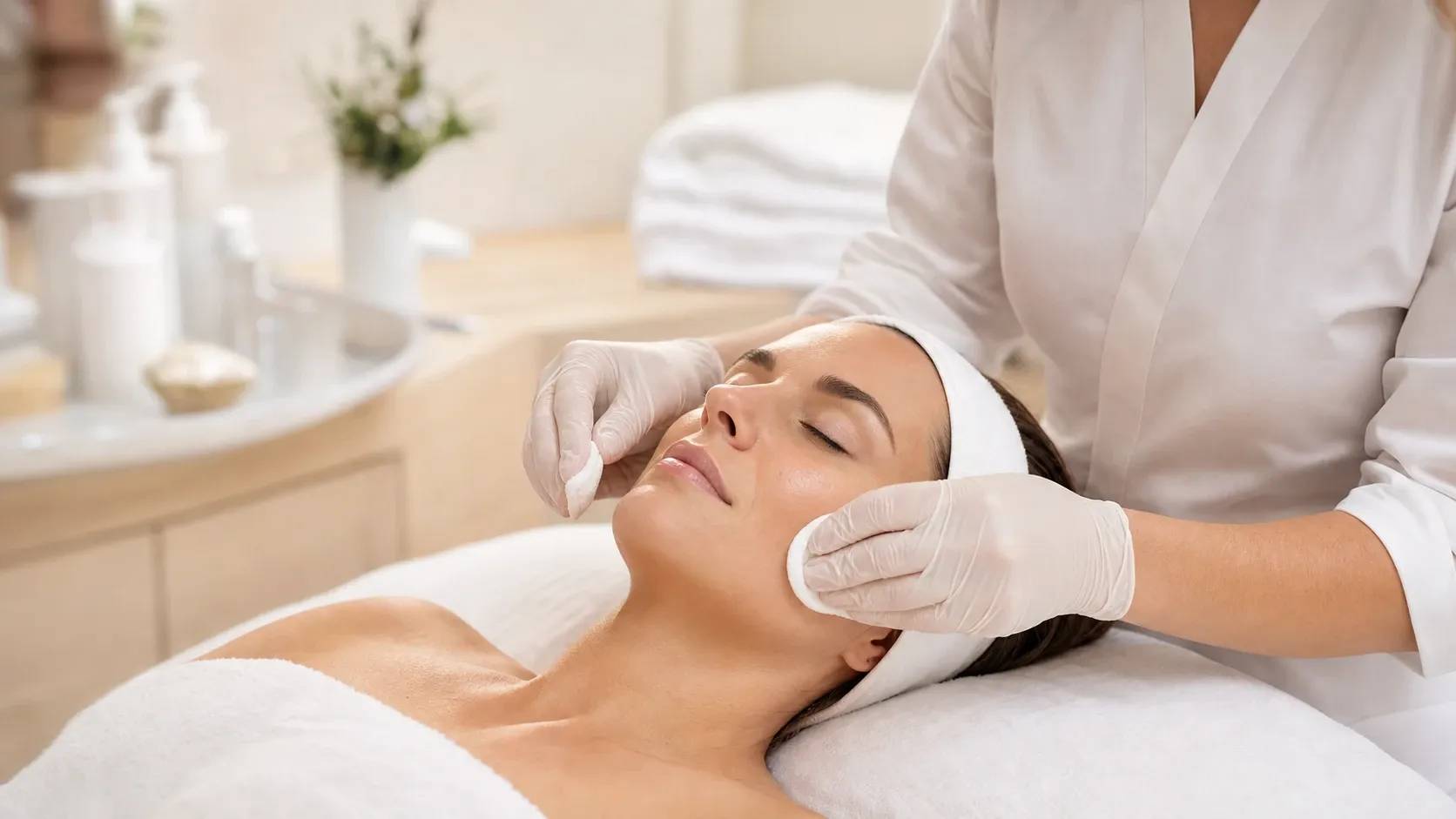
Facial cleaning is one of those procedures surrounded by myths: some fear the pain, some expect instant perfection. In reality it all depends on the method. Let's break down the main types of facial cleaning so you understand what happens to the skin and which option is closest to you.
Why facial cleaning is needed at all
Through the day, sebum, dead cells and city dust build up in the pores. Over time this shows as a dull tone, enlarged pores and blackheads. Home care helps maintain the skin, but deep pore cleansing is sometimes beyond it — that's where a professional facial cleansing comes in.
Important: cleaning is about care and renewal, not treatment. With pronounced breakouts or inflammation, it's worth understanding the cause first and viewing the procedure as part of overall care.
Types of facial cleaning
Mechanical (manual)
The classic, done with the specialist's hands and special tools. It handles dense blackheads and congested spots that a device can't always reach. In return it needs gentler recovery: the skin may be sensitive for the first few hours.
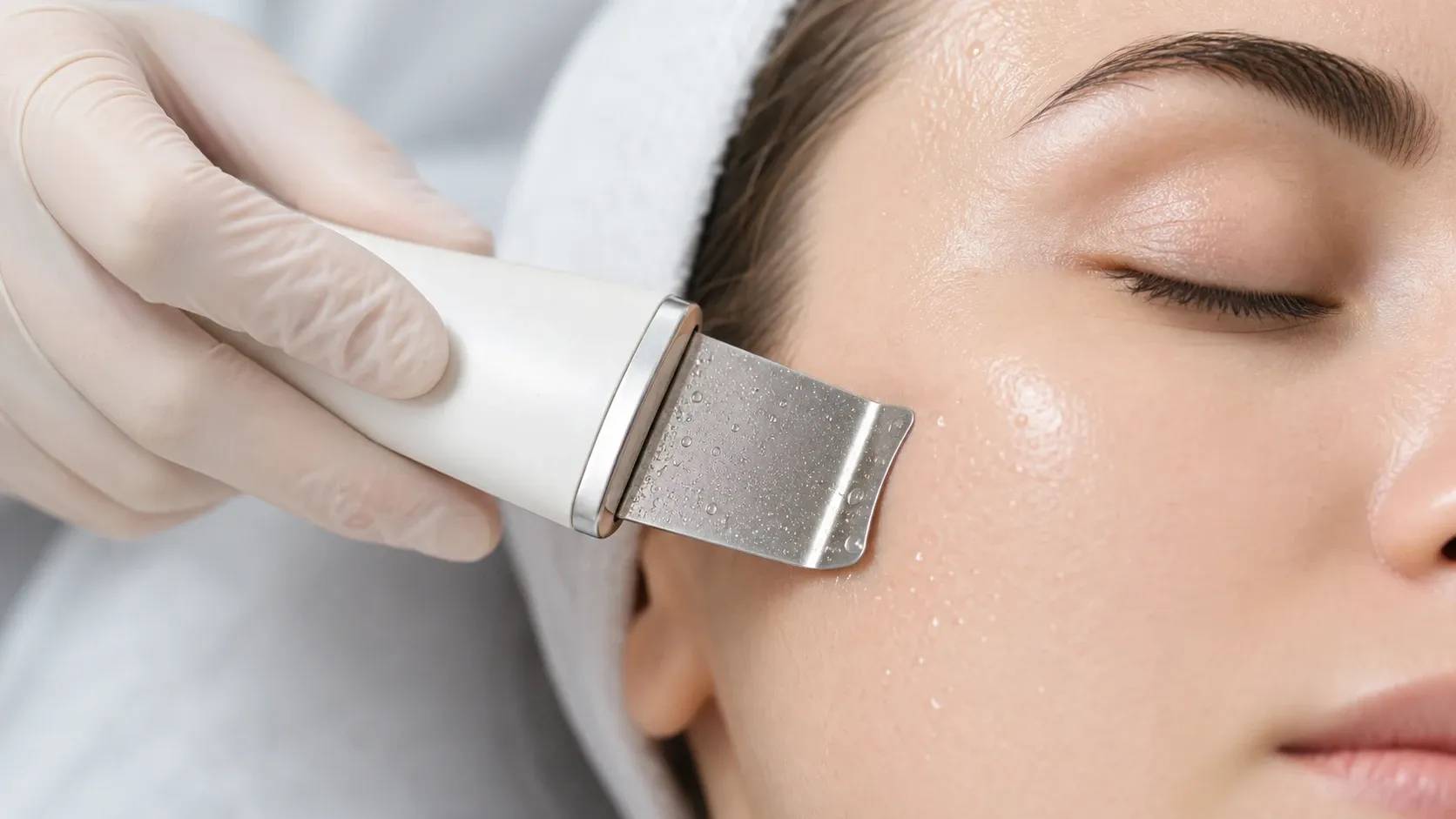
Ultrasonic
The mildest format. An ultrasonic scrubber removes the top layer of dead cells and gently pushes impurities out of the pores. Almost no discomfort, and the skin looks fresher right away. That said, ultrasound works on deep blackheads more gently than a manual clean.
Combined
The golden mean and the most popular option. First ultrasound does the main gentle work, then the specialist manually treats the individual problem areas. This combines the gentleness of the device with the precision of the manual method.
Comparison table
| Type of cleaning | How it works | Who it suits | Sensations |
|---|---|---|---|
| Mechanical | Manual pore work | Dense blackheads, breakout-prone | Slight discomfort possible |
| Ultrasonic | Gentle device cleansing | Sensitive skin, light impurities | Comfortable, almost no sensation |
| Combined | Ultrasound + manual finishing | Most skin types | Moderately comfortable |
How to choose for your situation
- Blackheads and oily skin. Usually mechanical or combined cleaning is more effective — they work dense pores better.
- Sensitive and thin skin. Start with ultrasonic: it's more delicate and stresses the skin less.
- Breakout-prone. An individual approach and gentleness matter here — harsh mechanical work during active breakouts may be ill-timed, so the method is chosen together with the specialist.
- First time. The combined format is a universal entry point to see how your skin reacts.
What happens afterward
For the first few hours the skin may redden slightly — a normal reaction to cleansing, not a complication. In the following days it's worth:
- skipping harsh scrubs and acids;
- always using SPF, especially in sunny Batumi;
- moisturising the skin with gentle products;
- not touching the face with your hands unnecessarily.
How often to do it
Go by the state of your skin, not the calendar. On average cleaning is done every 4–6 weeks, but oily skin sometimes prefers it more often and dry skin less. The goal isn't to "clean everything until it squeaks" but to keep the skin calm and well cared for.
If you're unsure which type to choose, the easiest thing is to come in for a consultation: the specialist will look at your skin in person and suggest the format that suits you, not some abstract "average client."