Botox Areas: How It Works and How Long It Lasts
Author
Ruslana
Botox has long stopped being something exotic and become part of calm, regular self-care. There are still plenty of questions around it: which areas are treated, does it hurt and how long does the effect last. Let's go through the main botox areas in order — no scare stories, no promises of miracles.
How it works
Expression lines form where muscles contract actively and often: we frown, raise our brows, squint. The product gently relaxes these muscles, and the skin above them smooths out because it stops constantly creasing in the same spots. This is purely an aesthetic correction and appearance care, not treatment.
If you're considering the procedure, it makes sense to start with a botox consultation: the specialist assesses your expressions and muscle tone and suggests the areas where correction is appropriate for you.
Botox: the main areas
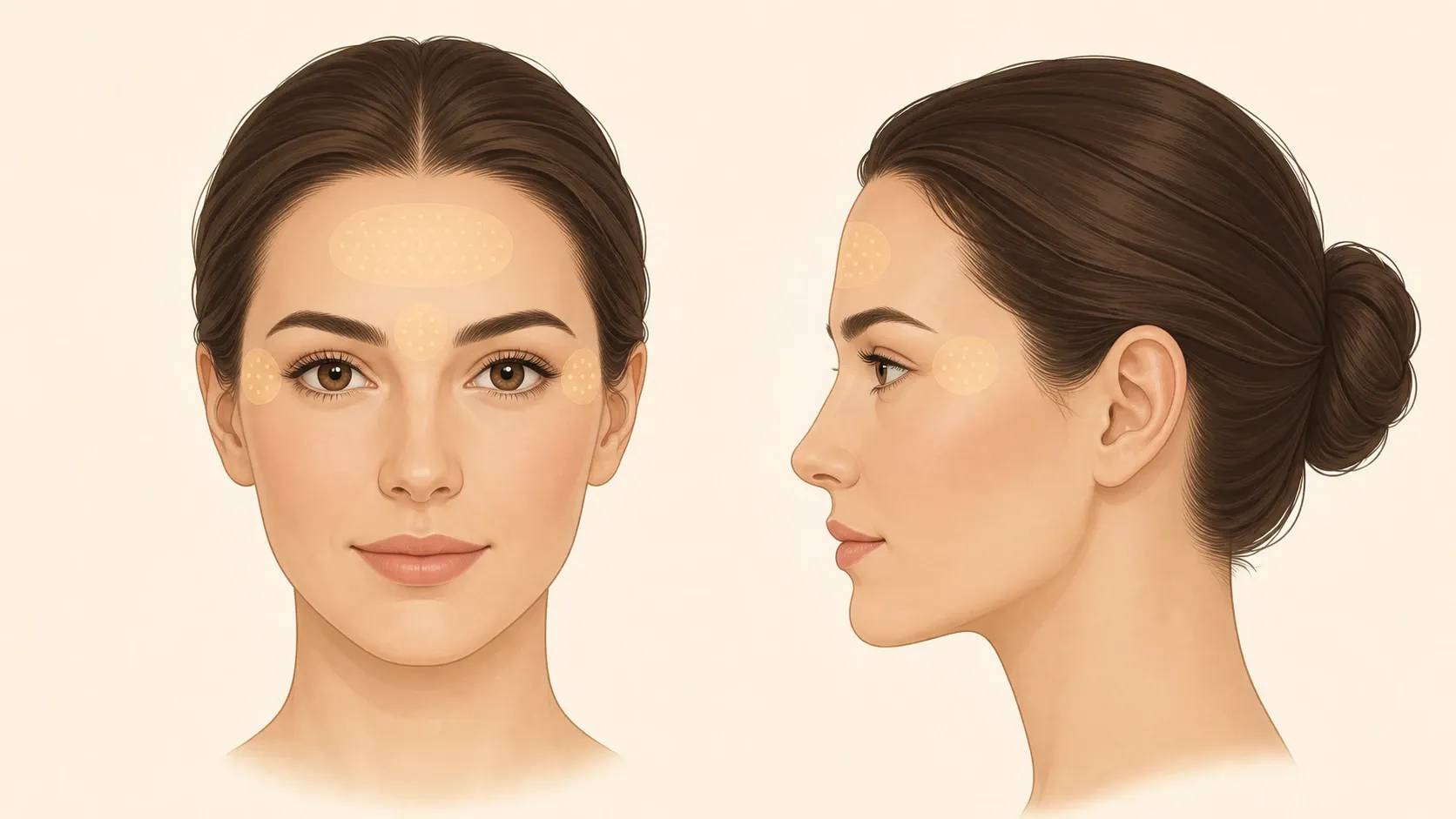
Most often the upper third of the face is worked — that's where expression is most active.
- Forehead (horizontal lines). Those lines that appear when we're surprised or raise our brows. The area is treated carefully to keep natural mobility.
- Glabella (between the brows). The vertical folds between the brows that often make the face look tired or tense. One of the most popular areas.
- Crow's feet. The fine lines at the corners of the eyes that show when smiling. Correction freshens the gaze while keeping the smile alive.
There are additional areas too — such as lifting the tip of the nose or correcting "bunny lines" on the bridge — but these are always discussed individually.
How the procedure goes
It's all fairly routine:
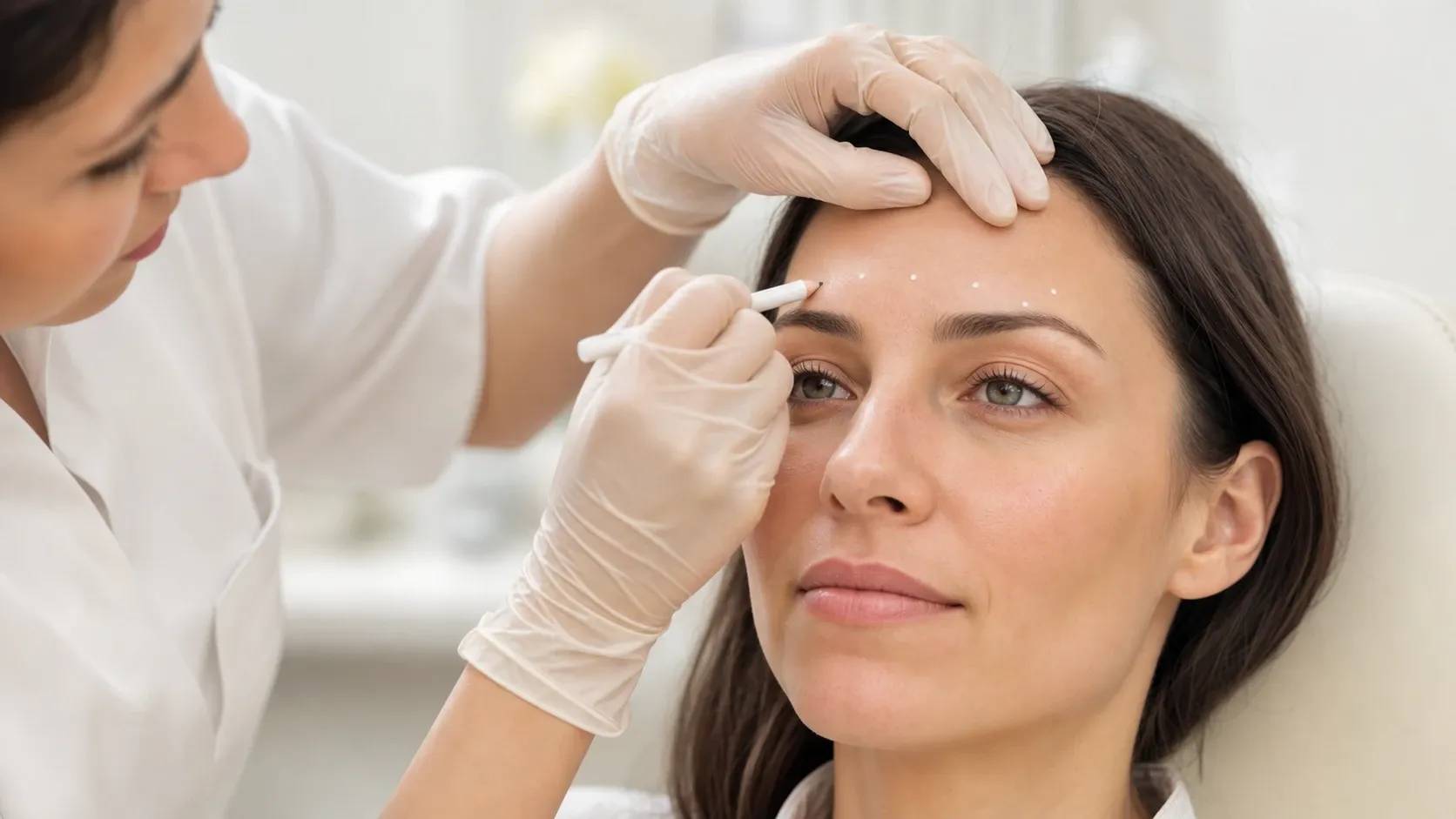
- Consultation. The specialist watches your expressions in motion and marks the points.
- Cleansing the skin and mapping the areas.
- Injections with a fine needle into the marked points. The sensation — short, light pricks; the procedure takes just minutes.
- Recommendations on what to do in the coming hours.
No anaesthesia is needed; cooling or a numbing cream can be used for comfort. You can return to your day right after, observing a couple of simple limits.
How long botox lasts
The most common question. On average the result holds for about 3–6 months, after which the action gradually wears off and the muscles return to their usual activity.
Several factors affect the duration:
| Factor | How it affects it |
|---|---|
| Individual metabolism | The faster the metabolism, the shorter the effect |
| Expression activity | Very expressive faces can shorten the term |
| Treated area | The result holds differently in different areas |
| Regularity | With repeat procedures the effect often feels steadier |
It's important to understand: this is a guideline, not a guaranteed figure. Two people with the same areas may well have different timelines.
Before and after: what to consider
Before the procedure it's worth:
- coming to a consultation and being honest about your health and any medications;
- not scheduling the procedure right before an important event — give yourself a time buffer.
Afterward for the first few hours it's usually recommended to:
- not tilt your head low or lie down straight away;
- skip intense sport, the sauna and steam room for a couple of days;
- not massage the treated areas;
- protect the skin from strong sun — in Batumi that's especially relevant.
Light redness or tiny dots from the injections are a usual reaction that passes quickly.
Who should take extra care
There are conditions for which the procedure is postponed or not done — this is always discussed at the consultation. So an honest talk with your specialist before injections matters more than any advice from the internet.
Botox is at its best when it's invisible: the face looks rested rather than "done." That natural result is exactly what to aim for.