How to Choose a Cleanser for Your Skin Type


Author
Ruslana
Cleansing is the step every routine starts with — and the one people get wrong most often. Too harsh a product tightens the skin, too mild a one won't remove sunscreen and city dust. Let's work out how to choose a cleanser that works for you, not against you — by skin type, format and ingredients.
How to choose a cleanser for your skin type
The main guide is your skin type and how it feels after washing. The right product leaves skin clean but comfortable: no squeak, no tightness, no urge to slap on cream immediately. The easiest way to identify your type is by how the skin behaves 20–30 minutes after washing with no cream.
- Dry and sensitive skin — soft creamy or milky textures, cleansing oil. Avoid formulas high in sulphates and alcohol.
- Normal and combination — a light gel or gentle foaming cleanser that removes excess sebum in the T-zone but doesn't over-dry the cheeks.
- Oily and breakout-prone — gels with mild surfactants, sometimes with a small amount of salicylic acid to support the pores.
If you're unsure of your skin type or want to deeply refresh its condition, it's worth starting with a professional facial cleansing — afterward it's easier to pick home care, because you can see how the skin reacts to cleansing.
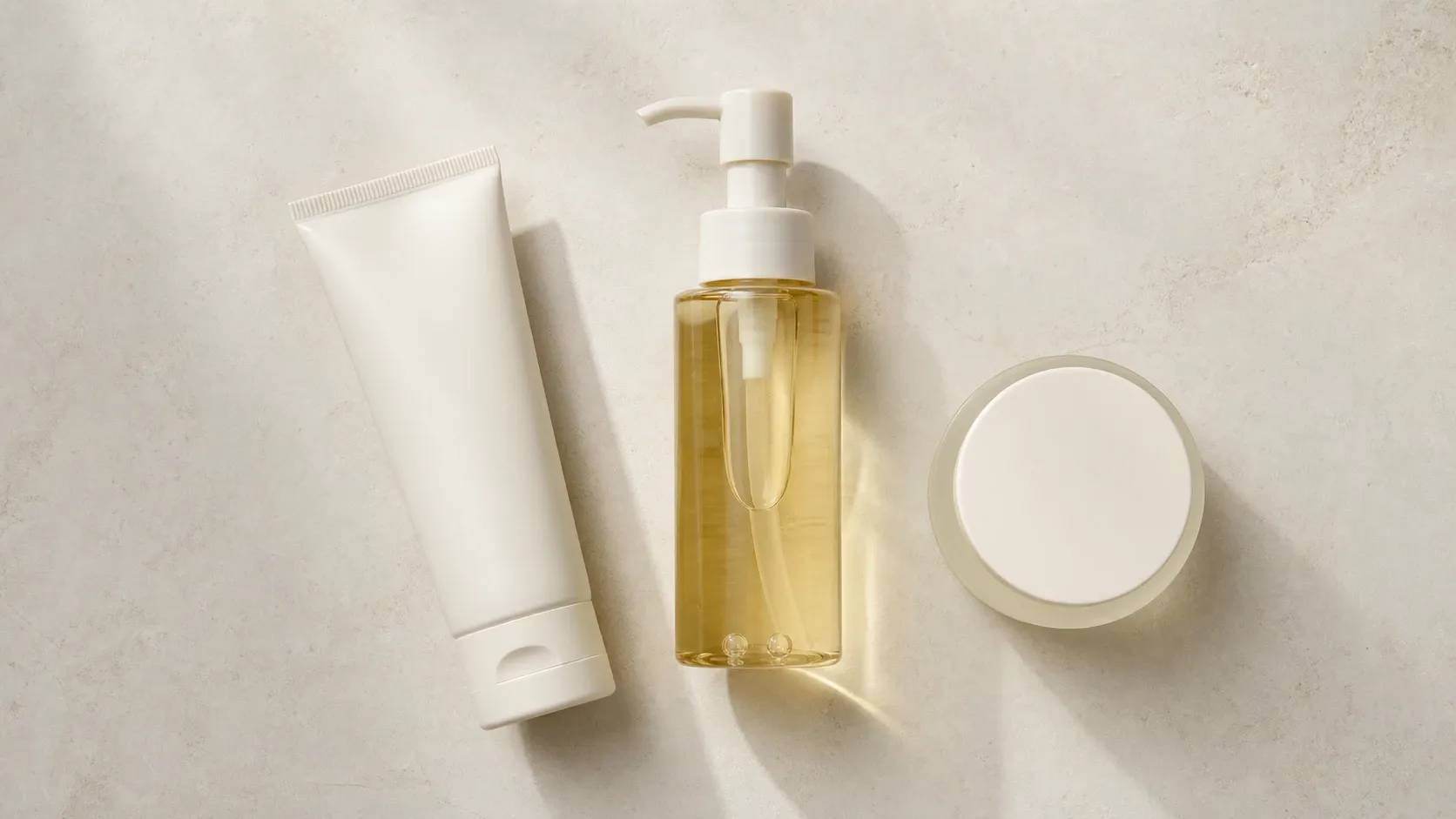
Gel, foaming cleanser or hydrating oil
There are many formats, each with its own logic.
| Format | Who it suits | What it does |
|---|---|---|
| Cleansing gel | Combination, oily skin | Refreshes, controls shine, washes off sweat and dust |
| Foaming cleanser | Normal, sensitive skin | Cleanses gently via its airy texture, over-dries less often |
| Hydrating oil | All types, especially dry | Dissolves makeup and SPF, leaves skin soft |
| Micellar water | Express cleansing, travel | Removes light makeup without rinsing, but doesn't replace a full wash |
Double cleansing
If you wear foundation or a heavy SPF, one gel may not cope. This is where double cleansing helps: first a hydrating oil dissolves the oil-soluble grime, then a gel or foaming cleanser washes off the rest. It's especially fitting in the evening; in the morning one mild product is usually enough.
What to look for in the ingredients
You don't need a chemistry degree to read a label. A few pointers are enough:
- Mild surfactants (for example, coco-glucoside) instead of harsh sulphates near the top of the list.
- Hydrating additives — glycerin, panthenol, niacinamide — they soften the cleansing action.
- A comfortable pH around 5–5.5, close to the skin's natural level.
- For sensitive skin — minimal fragrance and essential oils.
Among drugstore examples, ranges like CeraVe with ceramides are often recommended — but treat that as an example of an accessible formula, not the only right choice. Similar products exist across many brands, and it's worth choosing by how it feels, not by the name on the tube.
Common mistakes
- Washing with hot water. Lukewarm water is more comfortable and disrupts the barrier less.
- Scrubbing every day. Physical exfoliation is a couple of times a week, not a daily ritual.
- Too long a contact. You don't need to keep a foam or gel on the face for minutes: apply, massage, rinse.
- Ignoring SPF at the cleansing stage. If you wore sunscreen during the day, it really does need thorough removal in the evening.
A short checklist
- Identify your skin type by how it feels after washing.
- Pick a base product: gel, foaming cleanser or creamy texture.
- Add a hydrating oil if you wear makeup and SPF.
- Check the ingredients for mild surfactants and hydrating components.
- Watch the reaction for a couple of weeks and adjust.
Cleansing shouldn't be a battle with your own skin. When the product is chosen right, the face looks fresh and calm after washing — and the rest of your routine sits more evenly.